


Dreaming of a pool that is both beautiful and easy to maintain? Then this guide is for you. Here you get a complete overview of what a liner pool is, how it works, and what you need to know heading into 2026.
You will learn which benefits and material options are available, how installation works, and how to care for your pool with ease for long-lasting enjoyment. The right liner can transform your outdoor space while saving money in the long run.
We cover everything about liner pools, liner selection, installation, maintenance, costs, and future innovations.
What Is a Liner Pool?
A liner pool is now one of the most popular pool types for private villa gardens in Sweden. What really sets a liner pool apart from other solutions? Here you get a thorough overview of how this flexible and easy-to-maintain pool type works.
Definition and Basic Function
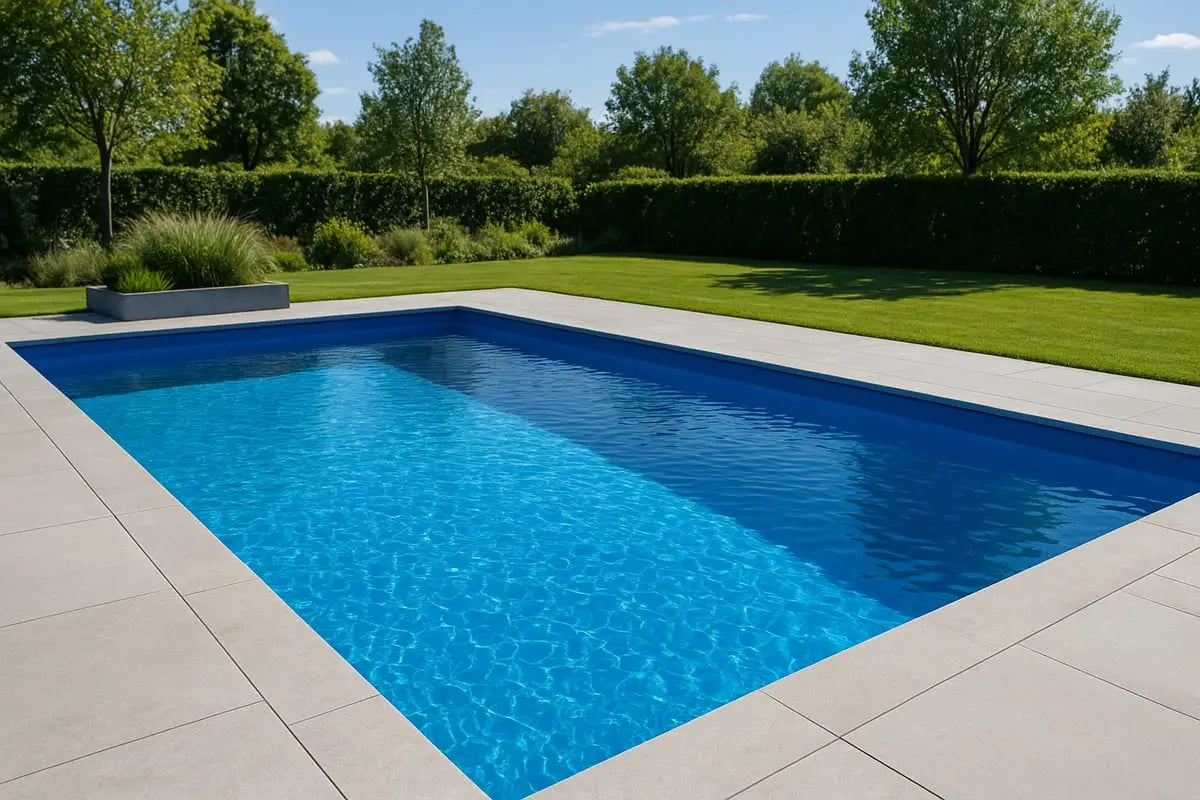
A liner pool is a pool whose interior is lined with a flexible waterproof membrane, usually made of PVC or vinyl. The liner acts as a protective layer that makes the pool watertight and gives it its final appearance. Unlike tile or concrete pools, a liner pool is significantly faster and cheaper to install. The liner is precisely adapted to the pool's shape, making it possible to choose between round, rectangular, and freeform pools.
The choice of material is crucial for both appearance and durability. Standard liners are normally 0.75 mm thick, while reinforced versions can be up to 1.5 mm and have built-in reinforcement. PVC and vinyl are the most common materials, with PVC often being more UV-resistant and hard-wearing.
When it comes to design, there is now a wide range of colours and patterns. The classic blue liner is still the most common, but gray, sand-colored, and black liners are growing in popularity.
The advantages of a liner pool are many: lower cost, easier maintenance, and greater flexibility compared with tile or concrete. The drawbacks are mainly sensitivity to sharp objects and the liner's limited lifespan, usually 10-15 years for a standard liner.
| Pool Type | Waterproofing | Price Level | Maintenance |
|---|---|---|---|
| Liner pool | PVC/vinyl liner | Low/Medium | Low |
| Tile pool | Tile + concrete | High | Medium |
| glasfiberpool | Fibreglass | Medium | Low |
How does a liner work in practice?
In practice, the liner itself is the heart of a liner pool. It ensures the pool is completely sealed and protects against leaks. The liner also affects the colour and feel of the pool water. A light blue liner gives clear, turquoise water with a classic holiday feel, while a gray or black liner creates a modern and exclusive atmosphere.
There are many different colours and patterns to choose from, making it easy to adapt the pool to the style of the garden and house. For those who want to explore different materials, colour choices, and patterns in more depth, it is recommended.
The quality of the liner affects the pool's lifespan and how easy it is to keep clean. A reinforced liner often provides greater durability and better resistance to UV light and chemicals. Choosing the right liner reduces the risk of future problems and makes pool care easier.
In summary, a liner pool is a flexible and cost-effective choice that combines watertightness, design possibilities, and easy care. It is no wonder that so many Swedish pool owners choose this solution.
Choosing a Liner: Material, Colour and Pattern
Choosing the right liner for your liner pool is crucial for both function and aesthetics. Material, colour, and pattern affect not only the pool's appearance but also its lifespan and maintenance needs.
Material Selection and Quality
When it comes to material choices for your liner pool, there are two main types: standard liner and reinforced liner. Standard liner is usually 0.75 mm thick and made of PVC or vinyl. Reinforced liner, on the other hand, is 1.5 mm thick and has a strengthened layer that provides extra durability and longer lifespan.
| Type | Thickness | Advantages | Drawbacks |
|---|---|---|---|
| Standard liner | 0.75 mm | Affordable, easy to replace | Shorter lifespan |
| Reinforced liner | 1.5 mm | Extra durable, hard-wearing | Higher price, harder to replace |
A liner pool with a reinforced liner is especially suitable in harsh climates or for those who want a low risk of damage from sharp objects. Both types are UV-resistant and designed to withstand chlorine, which is crucial in the Swedish climate. If sustainability matters to you, choose materials with eco-labeling or recycling options.
Several suppliers offer different liner alternatives. If you are considering a PP frame, you can read more about its benefits at Exclusive PP pool, where you get a good overview of compatible material choices for your liner pool.
Colour, Pattern and Design Options
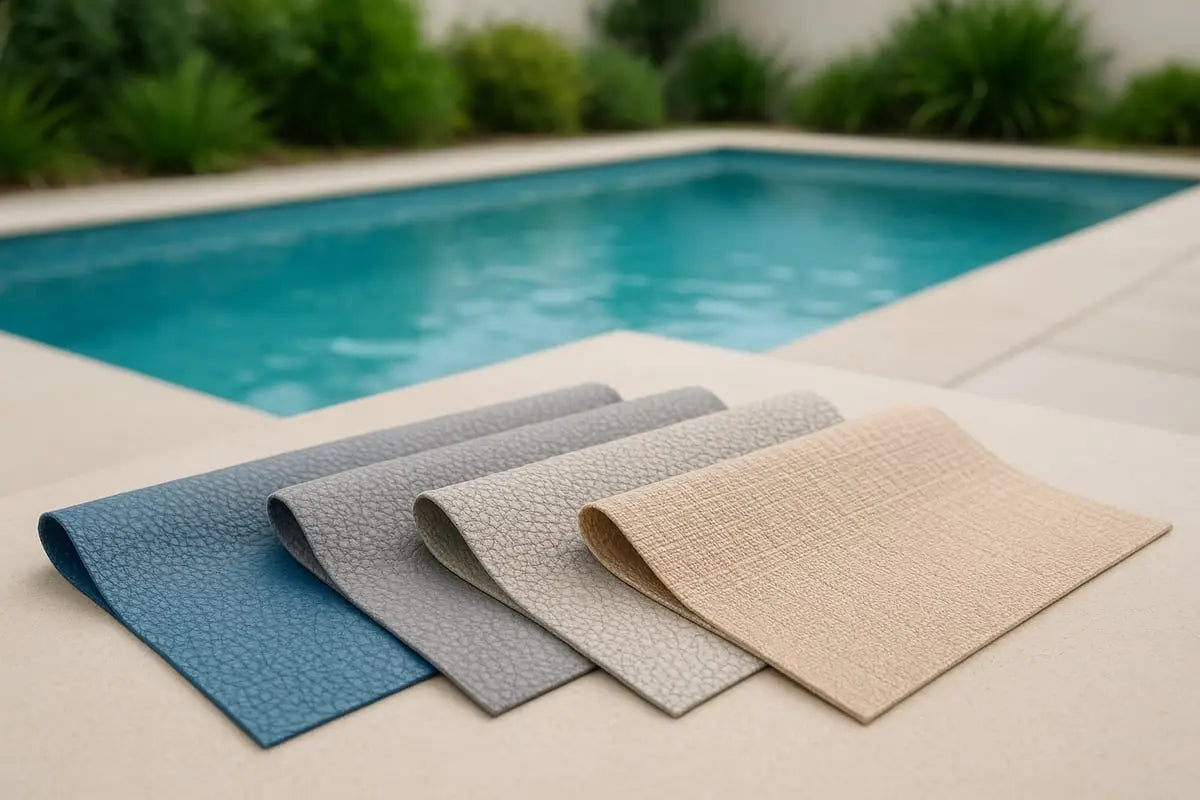
The colour of your liner pool directly affects how the water looks and the feeling the pool gives. Blue liner is still the most common, but gray, sand, and even black liner have become more popular.
Patterns such as mosaic and stone imitation create an exclusive feel, while solid-colored liners give a sleek, modern look. Match the colour choice to the style of the garden and the house's architecture for a harmonious overall impression.
Trends for 2026 point toward natural and earthy colours as well as custom prints that make each liner pool unique. Consider how the pool's placement and amount of sunlight affect the colour—a dark liner pool can warm the water faster, while light shades enhance the crystal-clear impression.
Tip: Feel free to test sample pieces in your own garden to see how the colour appears in different light. That way, you can ensure your liner pool gets exactly the look you dream of.
Durability and Warranties
The lifespan of a liner pool varies depending on material, care, and external influences. A standard liner usually lasts 10 to 15 years, while reinforced liner can last even longer. Many suppliers offer warranties between 5 and 15 years, but the terms may differ.
It is important to choose a liner pool with the right material and thickness for your environment. With careful selection and ongoing care, you reduce the risk of future problems such as cracks or leaks. The right liner pool gives you peace of mind and reduces the need for costly replacements in the future.
Installing a Liner Pool: Step by Step
Installing a liner pool requires careful planning and precision at every stage. A well-executed installation is crucial for both function and lifespan. Below is a detailed walkthrough of the process, with practical tips for the best result.
Preparation and Planning
To succeed with a liner pool, planning is absolutely essential. The first step is to examine the ground conditions. The soil should be stable and free from large stones or roots that could damage the liner pool. Proper excavation lays the foundation for the entire structure.
The next step is to choose the right pool frame. Common materials are steel, wood, concrete, and PP. Each material has its strengths. For example, a steel frame is popular thanks to its long durability, while PP provides extra flexibility. The table below gives a quick overview:
| Pool Frame | Advantages | Drawbacks |
|---|---|---|
| Steel | Stable, durable | Can rust without protection |
| Wood | Affordable, insulating | Requires maintenance |
| Concrete | Very stable | Heavy, expensive |
| PP | Flexible, light | Higher cost |
After choosing, measure the pool surface carefully. The liner must fit exactly, otherwise you risk wrinkles and bubbles. Don't forget accessories such as underlay, skimmer, and inlet. An underlay reduces the risk of damage to the liner pool and provides extra comfort.
If you want more detailed instructions, you can read Build a Pool – Guide and Tips for additional guidance on planning and building a liner pool.
The Installation Itself – Step by Step
The installation of a liner pool takes place in several stages. Start by laying the underlay on the pool floor and walls. It protects the liner pool from sharp objects and gives a softer feel.
Next, the liner is rolled out and hung along the pool edge. It is important that the liner is positioned correctly before you start filling the pool with water. Stretch the liner carefully so that no wrinkles or bubbles form. Feel free to use a vacuum cleaner to create suction and secure the liner against the walls before filling with water.
When the pool is being filled, the final adjustments begin. Check that the liner follows the pool's shape exactly. When the water level reaches the inlets, install them, along with trim and overflow drains. Each step requires precision to ensure that your liner pool becomes watertight and durable.
Following the manufacturer's instructions is crucial throughout the entire process. Keep in mind that a careless installation can significantly shorten the lifespan of your liner pool.
Common Mistakes and How to Avoid Them
It is easy to make mistakes when installing a liner pool if you lack the right knowledge. A common mistake is measuring the pool dimensions incorrectly, which leads to wrinkles in the liner. Insufficient cleaning of the base can cause small holes or discoloration.
Another trap is filling the pool too quickly. The liner needs time to adapt and stretch evenly. If water is filled too fast, it can create bubbles or tension that lead to future problems.
Here are some tips to avoid the most common issues:
- Measure the pool carefully at multiple points
- Clean the base thoroughly before installation
- Fill the pool slowly and monitor the liner's stretching
- Use the right tools and follow the instructions carefully
If in doubt, it may be wise to hire a professional installer, especially if you want to maximize the lifespan of your liner pool.
Pooltime® – Premium Pool Supplier in Sweden
Pooltime® is one of Sweden's leading players in liner pools and offers more than 20 years of experience in pool installations. The company specializes in energy-efficient solutions and premium products tailored to the Nordic climate.

At Pooltime® you will find a wide range of liners in different colours, patterns, and materials. The company also offers turnkey contracting, which means you get help with everything from initial planning to a finished liner pool. Pooltime® is known for its long warranties and its focus on customer satisfaction.
By choosing an experienced supplier, you gain security, quality, and professional advice throughout the project. That means you can feel confident that your liner pool is installed correctly and will last a long time.
Care and Maintenance of a Liner Pool
Taking care of your liner pool is essential to preserving both appearance and function for many years. Regular care reduces the risk of damage and extends the pool's lifespan. With the right maintenance, you can enjoy a clean and inviting swimming environment every season.
Cleaning and Daily Care
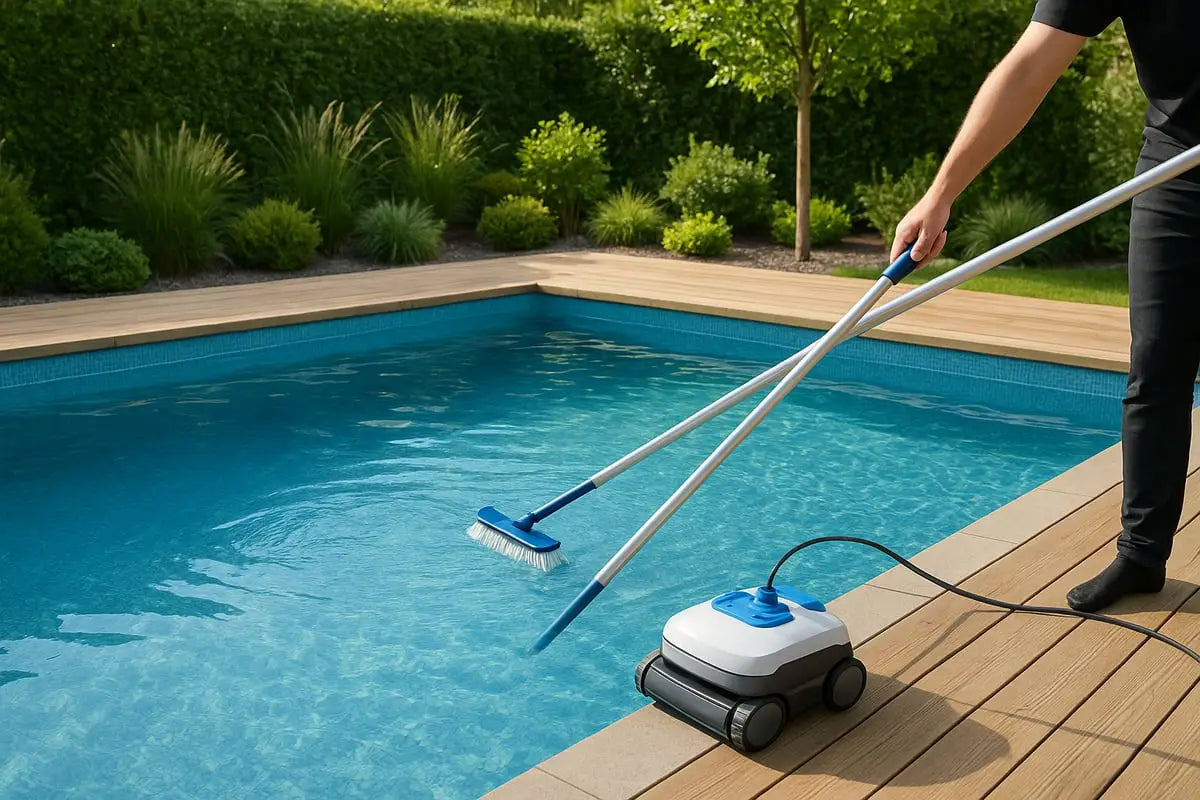
To keep your liner pool fresh, it is important to have a clear cleaning routine. Use a pool robot, brush, and vacuum to remove dirt and leaves from the floor and walls. A pool robot can automate much of the daily work, while a soft brush is gentle on the liner surface.
To protect your liner pool, check the water balance regularly. The correct pH and chlorine levels prevent algae growth and discoloration. Use the following chemicals:
- Chlorine for disinfection
- pH-regulating agent
- Algaecide when needed
Clean the liner gently to avoid scratches. If you use an underlay beneath the liner, the risk of mold and discoloration is reduced. Keep in mind that limescale deposits can form if the water is hard. Wash the liner with a soft sponge and avoid harsh chemicals.
Would you like help from experts? Then you can read more about Pool Service and Maintenance for tips and professional services tailored specifically to your liner pool.
Daily and weekly care gives you a more beautiful pool, reduces wear, and helps you avoid costly repairs.
Preventive Maintenance and Repairs
To maximize the lifespan of your liner pool, preventive maintenance is required. Regularly check joints, trim, and seals around the pool. Small cracks can quickly grow if not addressed in time.
If you discover a hole or tear in the liner, there are repair kits specially designed for liner pools. Follow these steps:
- Drain the pool below the damage if possible
- Clean the area thoroughly
- Apply the repair patch according to the instructions
- Press it down and let it dry before refilling with water
Replace the liner when you see signs of cracks, discoloration that does not go away, or if the material feels brittle.
By fixing small problems immediately, you avoid bigger issues later and can feel confident that your liner pool stays watertight and attractive.
Seasonal Maintenance
At the change of season, your liner pool needs extra care. Before winter, it is important to lower the water level below the inlets, clean the pool thoroughly, and cover it with a sturdy pool cover. This reduces the risk of frost damage and UV wear.
When spring arrives, remove the cover, clean the pool, and inspect the liner carefully. Make sure the water balance is correct before you start using the pool. Also check that all seals and trim pieces are intact.
Here are some tips for seasonal maintenance:
- Drain and protect the pool for winter
- Inspect the liner after winter storage
- Adjust chemicals and clean before the swimming season
With proper seasonal maintenance, you get the most out of your liner pool and extend its lifespan.
Costs, Lifespan and Economics
Investing in a liner pool is a major decision, where finances and long-term durability play a crucial role. To make the right choice, you need to understand what affects the price, how long the liner lasts, and what warranties apply. Below, we go through everything you need to know to create a secure and profitable pool investment.
Price Range and Factors Affecting Cost
The cost of a liner pool varies depending on several factors. The main ones are size, shape, choice of liner (standard or reinforced), accessories, and installation method. For a standard liner, the average price often starts from around 17 900 SEK, while a reinforced liner costs more but has a longer lifespan.
An overview of what affects the price:
- Pool size and shape
- Material choice (standard liner 0.75 mm or reinforced 1.5 mm)
- Installation (DIY or professional)
- Accessories such as underlay and pool robot
- Possible turnkey contracting
| Type of liner | Price from (SEK) | Lifespan (years) |
|---|---|---|
| Standard liner | 17 900 | 10–15 |
| Reinforced liner | 29 000 | 15–20 |
The price often includes the liner, underlay, installation, and warranties. If you want to explore the detailed cost factors, we recommend Cost of Building a Pool where you get a clear breakdown of what affects the price of your liner pool.
Lifespan and Maintenance Costs
A liner pool generally offers a lower total cost of ownership than tile or fibreglass pools. With proper care, the liner can last 10 to 15 years for a standard liner and up to 20 years for reinforced versions. During this period, only minor repairs are needed, making maintenance cost-effective.
Compared with tile pools, a liner pool is easier and cheaper to maintain. Liner replacement is common every 10–15 years, but proper water balance and regular cleaning can extend the lifespan. Keep in mind that small tears and holes can often be repaired without replacing the entire liner.
Tips for keeping maintenance costs down:
- Check seals and trim regularly
- Use a pool robot and underlay
- Keep the water properly balanced to avoid discoloration and wear
Overall, the operating cost of a liner pool is predictable and can be influenced through smart maintenance.
Financing and Warranty
Several suppliers offer the option to pay for your liner pool in installments, which can make the investment more manageable. Financing solutions are often tailored to the scope of the project and your needs. Always check the terms that apply to interest and repayment plans.
Warranties for liner pools vary between suppliers. A 5–10 year warranty on material and watertightness is common, but some offer longer warranty periods for reinforced liner. For the warranty to be valid, the pool usually must be installed and maintained according to the manufacturer's recommendations. Always keep receipts and documentation from the installation.
A clear and reliable warranty is an important part of the economics of a liner pool, especially when planning for long-term use and increased property value.
Future Trends and Innovations for Liner Pools
The development of liner pools is moving forward rapidly, and new innovations are changing the market every year. For those planning a pool build for 2026, it is important to understand the latest trends, both in terms of technology, design, and sustainability. Below you get an overview of what is ahead in materials, smart solutions, and how to future-proof your investment.
New Technology and Material Development
The technology behind liner pools is evolving rapidly. Research into eco-friendly and recyclable materials is leading to new generations of liners that are both hard-wearing and better for the environment. Many manufacturers are now developing PVC liners without phthalates as well as biodegradable alternatives.
Another exciting trend is the smart liner, where sensors are integrated directly into the liner pool to monitor water level, detect leaks, and measure water quality. This reduces the risk of costly damage and makes maintenance smoother.
In addition, we are seeing energy-smart solutions such as insulating liners and pool frames, which reduce heat loss and lower operating costs. For those who want to explore the installation of new materials in more depth, there is a detailed step-by-step guide in English:.
Design Trends 2026
The design of liner pools has become increasingly personal and creative. Heading into 2026, custom-designed liners with unique prints, names, or graphic patterns are in high demand. The colour palette is inspired by nature, with sand, stone, and slate-gray tones that create an exclusive impression.
Patterns that imitate mosaic or natural materials are growing in popularity, and the ability to adapt the liner pool to the style of the house is greater than ever. Integrated LED lighting in the liner is another trend that creates striking environments in the evening.
This development means you can create a liner pool that truly reflects your personality and the character of your garden. Combine new patterns with innovative colours to achieve a unique result.
Sustainability and the Environment
Eco-friendly solutions are a natural part of the future of liner pools. Demand for chemical-free alternatives and long-lasting materials is steadily increasing. Many suppliers are investing in liners that are easy to recycle and manufactured with reduced environmental impact.
A liner pool with the right material choice requires less maintenance, which reduces the need for chemicals and water changes.
To further reduce environmental impact, insulated pool frames and energy-saving accessories are being developed. This makes a liner pool a future-proof choice for environmentally conscious households.
Tips for Future-Proofing Your Pool Investment
Choosing the right supplier and technology is crucial for your liner pool to last over time. Invest in suppliers that offer innovation, long warranties, and energy-efficient options. Check that the liner pool is compatible with future technology, such as automatic monitoring systems and smart controls.
Also think about adapting the pool to upcoming environmental requirements and energy prices. Choose materials and installation that provide low operating costs and minimal environmental impact.
By following these tips, you ensure that your liner pool becomes a long-term and sustainable investment that stands strong even as trends and technology change.


