


Do you dream of your own pool paradise in the garden? Interest in PP pools has grown rapidly among Swedish homeowners, thanks to their durability and modern design. With the right choice, a PP pool can transform your outdoor space into a place for relaxation and joy, year after year.
Choosing the right pool is crucial for both function and long-term economy. In this article, you will get concrete advice, tips, and expert insights that guide you to the optimal solution for your home. We go through the seven most important ways to find your perfect PP pool for 2026.
What Is a PP Pool and Why Choose It?
Creating your own pool paradise starts with choosing the right type of pool. Many Swedish homes now choose PP pools for their unique features, but what does that actually mean? Here you get an in-depth look at the material, durability, and why a PP pool is a popular choice for the future.
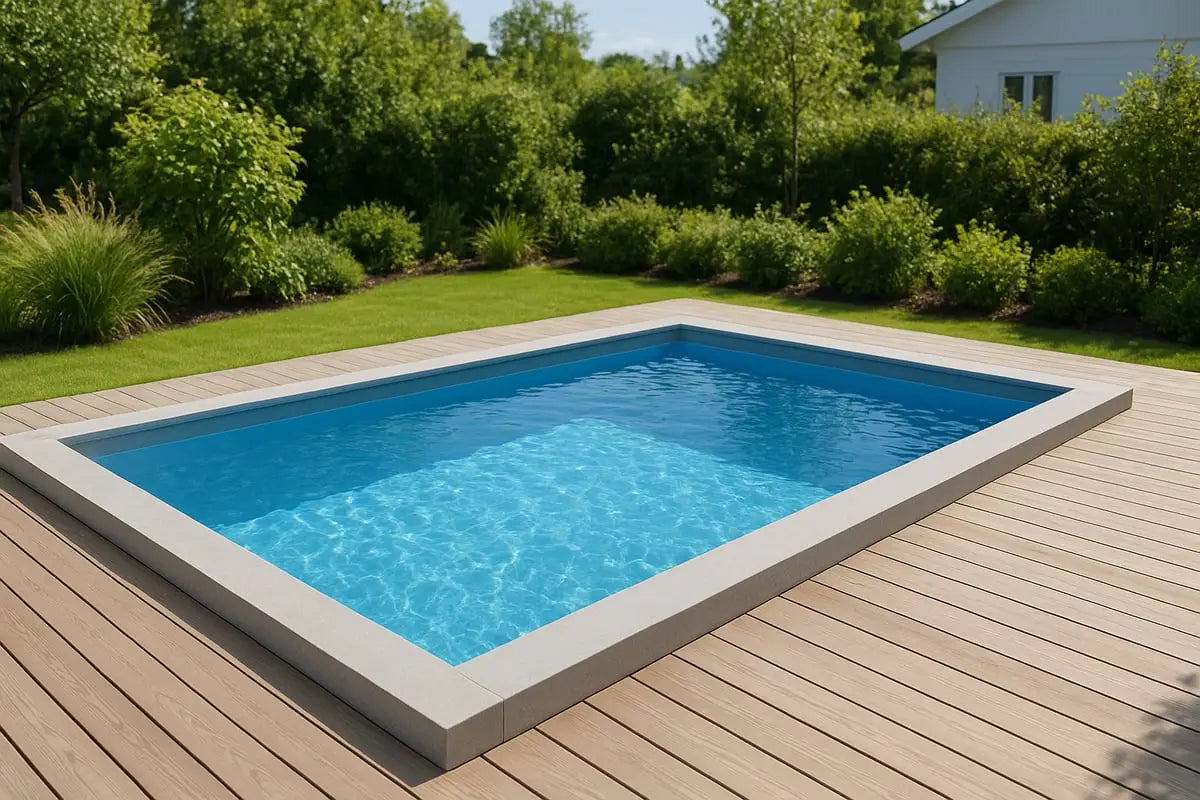
Definition and material properties
A PP pool is made of polypropylene, a durable and flexible plastic material that has become increasingly sought-after in the Nordics. Polypropylene is characterized by high resistance to UV light, frost, and chemicals. This means a PP pool can handle both cold winters and sunny summer days without cracking or fading.
Compared to other pool types such as fiberglass, liner, and concrete, PP pools stand out for their flexibility and shape stability. Fiberglass pools are indeed durable, but may develop cracks with ground movement. Liner pools often require more maintenance and are sensitive to sharp objects. Concrete pools are robust, but installation is time-consuming and costly.
An important aspect is environmental friendliness. Polypropylene is fully recyclable and free from harmful substances, making a PP pool a sustainable choice. Statistics show that PP pools have a lifespan of about 15–30 years, depending on quality and maintenance. This makes it a long-term and reliable option for Swedish households.
If you want to know more about materials and technical details, you can read more at What is a PP pool?.
Advantages and disadvantages of PP pools
One of the biggest advantages of a PP pool is its ease of maintenance. The surface is smooth and non-porous, making the pool very hygienic and easy to keep clean. Thanks to the material’s flexibility, you can also get your PP pool in almost any shape or size you want, tailored to your garden.
Installation is faster than with concrete pools, often in just a few days. PP pools are also resistant to algae formation and require fewer chemicals to keep the water clean.
There are, however, some drawbacks. The price of a PP pool is usually higher than for simpler above-ground pools or some standardized liner pools. But in the long run, the longer lifespan and low maintenance can make the investment more profitable.
A PP pool is particularly suitable if you want a customized solution with high comfort and long-lasting durability. If you prioritize environmental awareness, safety, and adaptability, a PP pool is one of the best choices for the Nordic climate.
7 Ways to Choose the Right PP Pool for Your Home 2026
Choosing the right PP pool for your home is an investment that affects your daily life, finances, and the value of your property for many years to come. Below we go through seven decisive factors that help you find the perfect solution for your needs. Each point is based on experience, statistics, and the industry’s latest insights on PP pools.

1. Map Your Needs and Conditions
The first step when choosing a PP pool is to understand your family’s and property’s unique needs. How will the pool be used? For play, exercise, relaxation—or perhaps all three? A careful needs analysis makes it easier to prioritize the right features and size.
Also map your plot’s conditions. Measure the area where the PP pool will be placed, review the ground’s slope and soil type. Consider future changes—for example, if children are growing up or if older relatives should be able to swim safely.
The surrounding environment also affects the choice of PP pool. Do you have large trees that provide shade or drop debris? Is it often windy on the property? These factors determine both the pool’s placement and what type of pool cover may be needed.
Example: A smaller wellness PP pool suits a smaller plot and adults who want relaxation, while a larger family pool requires more space and perhaps different safety solutions.
Checklist for needs analysis:
- How often and by whom will the PP pool be used?
- Which features are most important (e.g., steps, lighting, depth)?
- What does the garden’s area and shape look like?
- Are there any specific requirements for safety or accessibility?
Creating a clear requirements specification makes it easier to discuss with suppliers and avoid costly mistakes. The more you know about your needs, the better you can choose the right PP pool for long-term enjoyment.
2. Choose the Right Size and Shape
The size and shape of your PP pool affect not only the appearance, but also usability, operating costs, and integration into the garden. Statistics from the Swedish market in 2026 show that the most common PP pools are rectangular and measure between 3x6 and 4x8 meters. Oval and free-form variants are increasing in popularity, especially in smaller gardens.
A rectangular PP pool often allows easier installation and is well-suited for swimming. Oval and free-form models can blend better with the garden’s natural shape and create more playful environments.
Examples of popular dimensions:
| Size (m) | Suitable for | Advantages |
|---|---|---|
| 3x6 | Couples, small families | Low operating cost, compact |
| 4x8 | Families | Good for play and exercise |
| 5x10 | Large households | Room for many guests |
Keep in mind that a larger PP pool means higher heating costs and more maintenance, but also greater flexibility and value increase over time. Adapt the shape to the garden’s conditions—sometimes a smaller, smartly placed PP pool can have a bigger impact than a large, poorly placed one.
When sizing, it is wise to not only base decisions on today’s needs but also think about the future. A well-chosen PP pool can bring joy for decades and adapt to different phases of life.
3. Evaluate Insulation and Energy Optimization
Insulation is crucial for how much energy your PP pool consumes and how long your swimming season will be. Modern PP pools come with both single walls and advanced thermal insulation that significantly reduces heat loss.
The difference between single-walled and insulated PP pools is clear: an insulated model can halve energy costs compared to a non-insulated one. Statistics show that a well-insulated PP pool in Sweden in 2026 consumes on average 30–40% less energy per season.
New energy-smart solutions, such as insulated walls, pool enclosures and solar heating, make it possible to swim longer and at lower cost. A pool enclosure prevents heat loss and reduces the need for chemicals. If you want to know more about how a pool enclosure can save energy, please read about Pool enclosures for energy savings.
Combining a PP pool with a heat pump delivers maximum effect. A pool cover is also a simple way to reduce both heat loss and dirt in the water.
Tips for energy optimization:
- Choose a PP pool with thermally insulated walls and bottom.
- Install a pool enclosure to protect against cooling.
- Combine with a heat pump and a quality cover.
- Use solar panels for extra eco-friendly heating.
The right insulation and energy optimization make your PP pool both more economical and sustainable, giving you more swimming hours every year.
4. Safety and Comfort – Key Features
Safety is always the highest priority when you invest in a PP pool, especially if there are children or seniors in the household. Modern pools offer a range of built-in safety features such as non-slip steps, handrails, and child-friendly edges.
Pool covers and pool enclosures protect against both accidents and dirt. Automatic monitoring and alarms contribute to increased safety. Statistics show that accidents in private pp pools decrease by over 60% when the right safety equipment is used.
Lighting is not just about aesthetics, but also about safety for evening swims. Integrated LED lighting makes it easier to see edges and steps.
Child-friendly and senior-adapted solutions:
- Low staircase and wide steps in the PP pool.
- Non-slip surfaces around and in the pool.
- Handrails along the pool edge for support.
- Pool cover with automatic locking.
Comfort is also important: ergonomic steps, seating ledges, and massage zones make a PP pool a place for relaxation and togetherness. Invest in features that suit the whole family to get maximum enjoyment from your investment for many years.
5. Customize Design and Aesthetics to Your Preferences
The design of your pp pool is crucial to the overall impression in the garden. The choice of color, finish, and pool coping affects both the feel and the property's value. Trends for 2026 show that more people are opting for dark liner colors, infinity pools, and overflow solutions for an exclusive look.
A PP pool can be customized in unique shapes and integrated with decking, stone paving, or plantings. This provides a harmonious transition between pool and garden. Inspiring examples from Swedish homes show that a well-placed PP pool can become a natural gathering place for family and friends.
Popular design choices:
- Dark blue or anthracite-colored liner for a deep effect.
- Infinity edge for a luxurious feel.
- Discreet spotlights for evening swims.
- Pool edge in granite or composite for a Nordic expression.
Design choices also affect the pool’s value. A well-thought-out PP pool can significantly increase the property’s market value. The balance between dreams and practical needs is important—opt for solutions that are both beautiful and easy to maintain.
6. Compare Suppliers, Warranty, and Service
Choosing the right supplier for your PP pool is just as important as the pool itself. A reputable supplier offers clear documentation, a long warranty, and support even after purchase. The difference between a turnkey contract and do-it-yourself is significant—turnkey means the supplier takes responsibility for everything from groundwork to a finished pool.
A long warranty period provides peace of mind. The best PP pools often have a 10–20 year warranty on materials and construction. Always ask about access to spare parts and service. Read reviews and preferably choose a supplier with local presence for fast support.
Questions to ask the supplier:
- How long is the warranty for the PP pool and installation?
- Is service and support included if problems arise?
- Are there references from previous customers?
- What certifications does the product have?
Statistics show that customer satisfaction is highest among those who chose suppliers with long experience and solid warranties. Take your time to compare and choose a partner you can trust throughout the pool’s lifespan.
7. Calculate the Investment and Long-Term Costs
The price of a PP pool varies depending on size, equipment, and installation. In 2026, budget models start from about 120 000 kronor, while premium solutions can cost over 300 000 kronor. It is important to understand what is included: pool, installation, accessories, operation, and maintenance.
Operating costs for a PP pool are often lower than for many other pool types thanks to good insulation and smart accessories. Compare with other pool types to get a fair picture of total costs over time.
Example 10-year calculation:
| Cost item | Total (kr) |
|---|---|
| Pool investment | 200 000 |
| Operation & maintenance | 70 000 |
| Increase in house value | +150 000 |
Note that there may be opportunities for ROT deduction for certain work, as well as various financing solutions. Avoid pitfalls such as underestimating the extent of groundwork or choosing accessories with too low an energy class.
Creating a careful budget and comparing offers gives you full control over your PP pool investment, both short and long term.
Pooltime® – Your Trusted Partner for Premium PP Pools in Sweden
Choosing the right PP pool is a long-term decision that requires a reliable partner. Pooltime® is one of Sweden’s largest and most experienced suppliers of exclusive and energy-smart PP pools, specially developed for our Nordic climate. Their expertise in the field, together with a wide range and turnkey solutions, makes Pooltime® an obvious choice for those seeking quality and peace of mind. Read more about exclusive PP pool – advantages to dive deeper into why this solution suits so many Swedish households.
With Pooltime® you get not only a top-quality premium PP pool, but also access to long-term warranties, spare parts, and first-class customer service. Pooltime® helps everyone from families with children and homeowners to wellness enthusiasts and professionals create their dream pool area. You get modern design, sustainable solutions, and personal advice that make your investment secure. Contact Pooltime® directly via the online store to take the next step towards your own PP pool.
Frequently Asked Questions about PP Pools 2026
Choosing a PP pool raises many questions, especially ahead of a major investment. Here you get answers to the most common questions about lifespan, costs, installation, accessories, and value increase. The guide helps you make safe and well-founded decisions for your pool project.
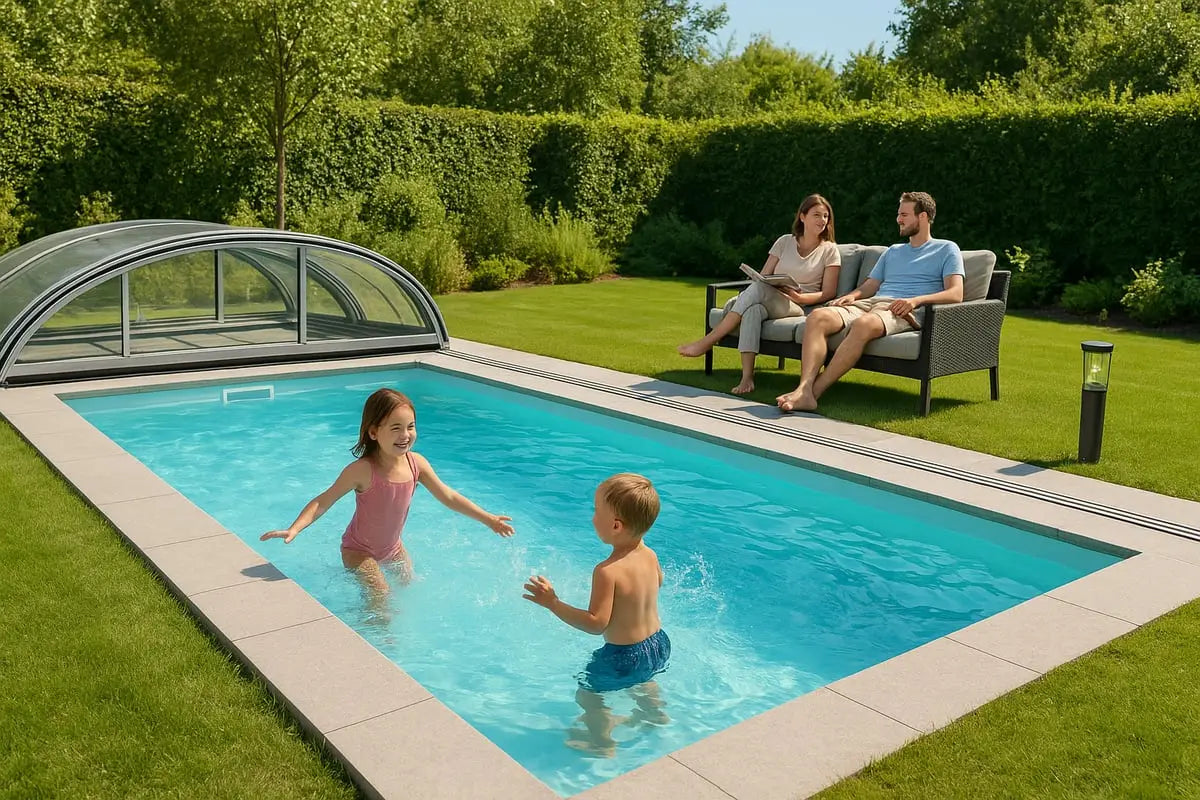
What is the lifespan of a PP pool?
A PP pool generally has a lifespan of 15 to 30 years, depending on material quality and maintenance. Polypropylene is UV-resistant and frost-proof, which means the pool can handle the Nordic climate without cracking or discoloration.
Lifespan is affected by factors such as water chemistry, proper winterizing, and choice of supplier. If you choose a high-quality PP pool and follow the recommended care instructions, you get a long-term investment. According to statistics, PP pools are often more durable than simpler pool types. Read more about Advantages and disadvantages of PP pools for a deeper comparison between different pool materials.
How much does it cost to own a PP pool per year?
The annual costs for a pp pool vary depending on size, insulation and accessories. On average, operation and maintenance amount to 8 000 to 20 000 kronor per year. The larger share of the cost consists of heating and electricity. If you choose energy-efficient solutions, such as insulated walls and a pool enclosure, you can reduce costs significantly.
Chemicals and cleaning make up a smaller part of the annual budget. Do not forget to plan for service and maintenance. For a detailed calculation, see Cost to build a pool where you get tips on investment and long-term expenses for a PP pool.
Can I install a PP pool myself?
It is possible to install a PP pool on your own, especially if you have experience with construction projects. Many suppliers offer do-it-yourself packages with clear instructions. For those who prioritize peace of mind, however, a turnkey solution is often preferable.
A professional installation ensures that the PP pool is placed correctly and that the warranty remains fully valid. Note that groundwork and electrical work require professional expertise. Always consult the supplier to find the right solution for your PP pool.
Which accessories are recommended for a PP pool?
To maximize the experience and reduce maintenance, several accessories are recommended for your PP pool:
- Pool enclosure or pool cover for safety and energy savings
- Heat pump for an extended swimming season
- LED lighting for evening swims and ambiance
- Robotic pool cleaner for automatic cleaning
- Salt chlorinator or UV purification for easier water care
The right accessories make your PP pool easier to maintain, safer, and more energy efficient. Adapt the options to your family’s needs and how often the pool will be used.
How does a pool affect the value of my property?
A well-maintained PP pool can increase the value of your property, especially if it is nicely integrated into the garden and is of high quality. Statistics from the Swedish housing market show that properties with pools often sell faster and at higher prices.
The increase in value depends on the pool’s condition, design, and how well it matches the home’s target group. To maximize value, choose durable materials and invest in energy-efficient accessories. Regular maintenance is key to long-term value growth.
