


Dreaming of your own pool for summer 2026? Creating a place for relaxation, play, and togetherness at home is more relevant than ever. This guide helps you choose the right pool with expert tips, the latest trends, and practical advice. We cover everything from different pool types and materials to budget, installation, accessories, and maintenance. Whether you want a pool for the family, training, or pure enjoyment, you will gain the knowledge to make confident decisions. Make the pool dream a reality — follow our steps and choose your pool with confidence.
Step 1: Identify Needs and Conditions
Planning for a pool is about more than just choosing a design or size. It is a project that requires careful analysis of your needs, the possibilities of your plot, and long-term financial conditions. By considering these factors from the start, you set the stage for your pool to be a source of joy for many years to come.
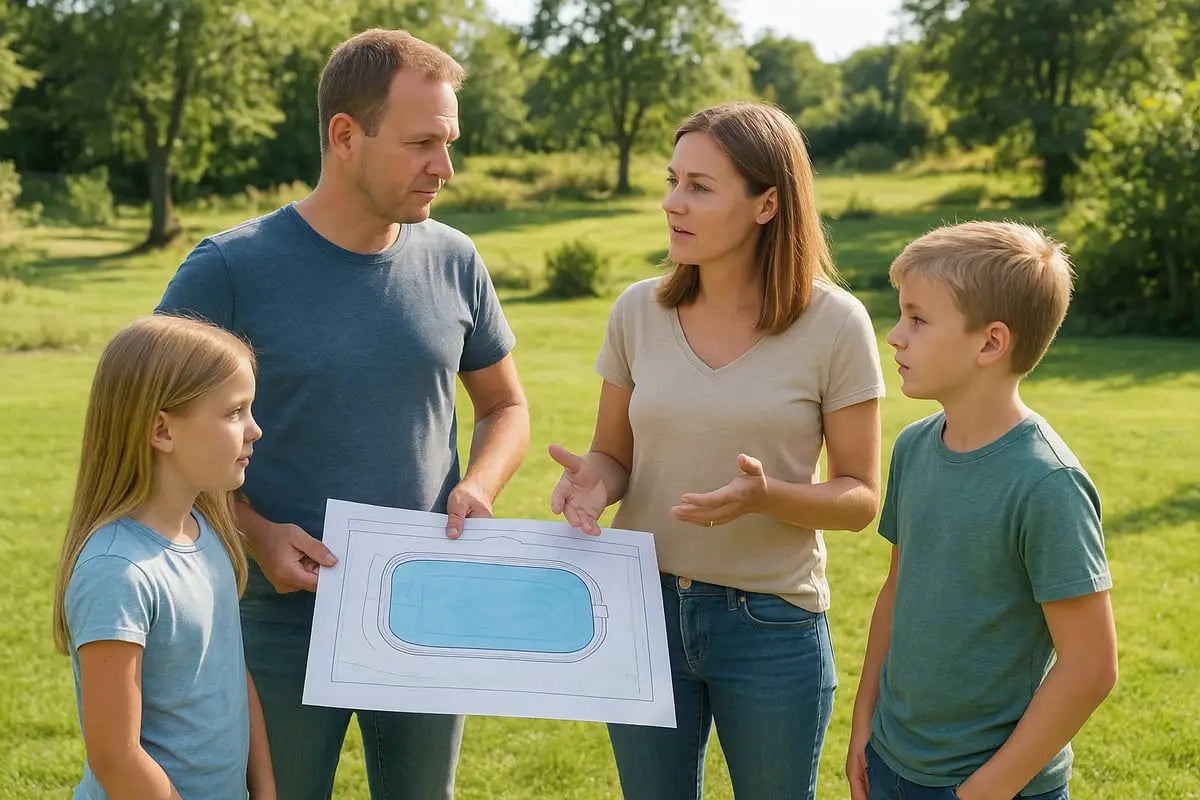
Identify your pool needs and uses
Start by mapping out what needs your pool should meet. Is the family large, or will it mainly be adults using the pool for relaxation and wellness? Consider bathing habits: should the pool be a hub for play, training, or social gatherings?
Also consider seasonal use. Do you want to swim year-round, or is summer swimming enough? Families with children often prioritise safety solutions and a shallower pool, while an adult couple may want massage functions and space for swim training.
Reflecting on these questions helps you choose the right pool type and equipment tailored to your lifestyle.
Plot conditions and regulations
The next step is to analyse the opportunities your plot offers. How large is the area where the pool will be placed? Are there slopes or specific ground conditions that affect your choice of pool? Sun and wind conditions play a major role in both comfort and energy consumption.
Do not forget to check what building permits and municipal regulations apply to pool construction in your municipality. You often need to consider the distance to the property boundary and safety requirements. Statistics show that around 40 percent of all pool buyers need to adapt the size and placement to the conditions of their plot.
By investigating these aspects early, you avoid surprises later in the process.
Budget and long-term costs
A realistic budget is crucial for a successful pool project. Consider not only the purchase price, but also installation, groundworks, and future operating costs such as heating, water, and chemicals.
It is wise to set aside a contingency for unexpected expenses. Also remember that a well-planned pool can increase your property’s value over time.
For a clearer picture of the finances around pool construction, read more about cost to build a pool where you will find detailed examples and tips for planning your investment.
Step 2: Choose the Right Pool Type and Material
Choosing the right pool is crucial for creating a pleasant and long-term investment in your outdoor space. The choice between different pool types and materials affects not only the swimming experience, but also operation, maintenance, and economy. Here we guide you through the most important options and what to consider before buying your pool.
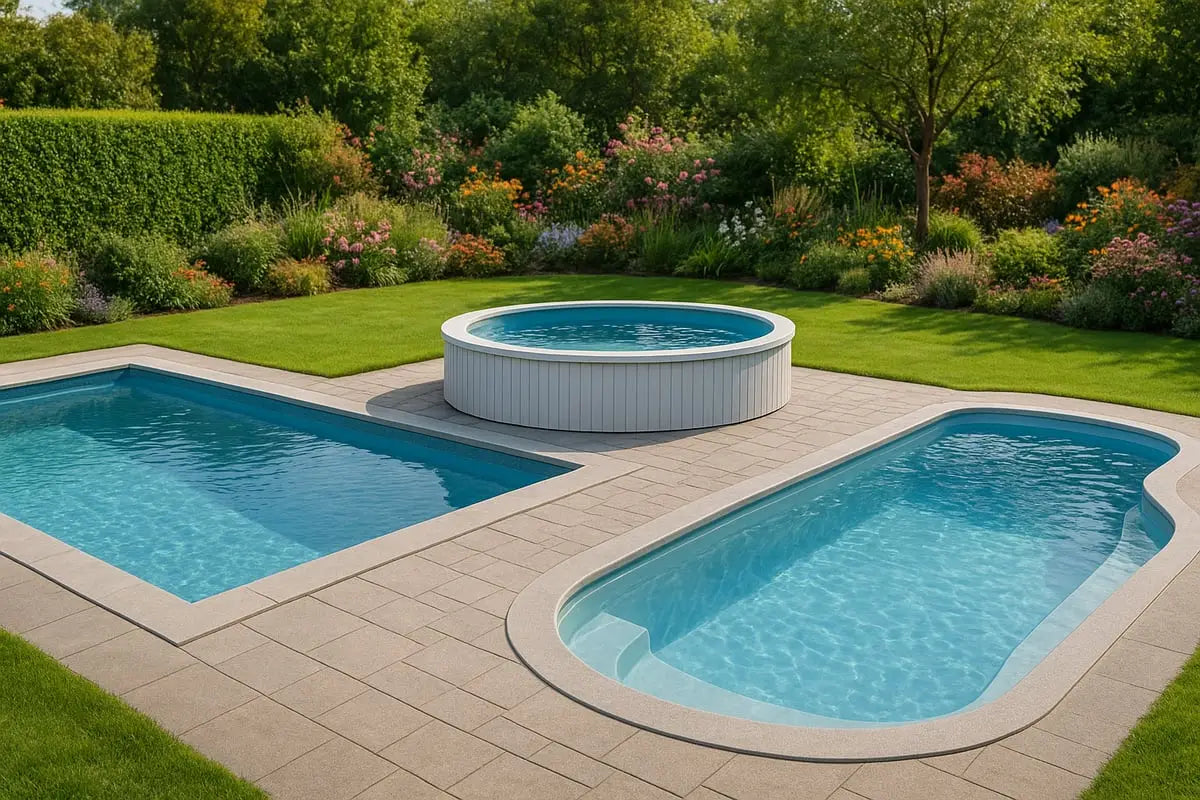
Overview of the most common pool types
When planning a pool for your home, you first need to decide whether you want an in-ground pool or an above-ground pool. In-ground pools are buried and create an exclusive impression, while above-ground pools are easier to install and can be more flexible for small plots.
There are several different pool constructions to choose from:
- Thermo pool: Built from insulating blocks, providing good energy properties.
- PP pool: Made of polypropylene and appreciated for durability and easy cleaning.
- Liner pool: Has a soft liner and is popular thanks to its flexibility in shape and price.
- glasfiberpool: Delivered as a finished form and offers quick installation and a smooth surface.
Statistics show that interest in PP pools has increased significantly, mainly thanks to their durability and low maintenance level. Regardless of which pool you choose, make sure it fits your needs and the conditions of your plot.
Advantages and disadvantages of different materials
Comparing materials is an important step in choosing a pool. Below is an overview:
| Material | Advantages | Disadvantages |
|---|---|---|
| PP (polypropylene) | Very durable, chemical-resistant, insulating | Fewer design options |
| Fiberglass | Quick installation, smooth surface, low maintenance | Limited shape, sensitive to pressure |
| Liner | Flexible design, good value | Requires regular liner replacement |
| Concrete | Custom design, highest durability | Most expensive, longer build time |
The PP pool stands out as a premium option for the Nordic climate. If you want to learn more about why PP is such a popular choice, read more in Exclusive PP pool — advantages. Keep in mind that the choice of material affects both the pool’s lifespan and maintenance needs.
Pool shape and size
The shape of the pool should suit both the size of your plot and your personal style. Rectangular pools are classic and suitable for swim training, while round or figure-eight pools are often popular on smaller plots.
Standard sizes are often between 3x6 and 4x8 meters, but compact models are also available for small spaces. If you want a unique pool, custom solutions may be the right path. Remember that the shape also affects the pool’s uses and maintenance.
Energy and environmental aspects
Energy efficiency is becoming increasingly important when choosing a pool. Insulated pool models reduce heat loss, resulting in lower operating costs. Many people now choose to complement their pool with solar heating or an energy-efficient heat pump.
Tips for an eco-friendly pool:
- Opt for insulated pool walls.
- Use solar collectors or a heat pump.
- Choose eco-friendly chemicals and materials.
The right choice of technology and materials can significantly reduce energy consumption and contribute to a more sustainable pool.
Pooltime® — Premium Pools for the Scandinavian Climate
Pooltime® is one of Sweden’s leading experts on exclusive pools for our Nordic climate. Here you will find a wide range of PP pools, thermo pools, and fiberglass pools, all developed to withstand tough weather conditions while being energy efficient.
The company offers end-to-end solutions, from consulting and design to turnkey contracting and long-term warranties. You also get access to a wide range of pool enclosures, accessories, and safety solutions. If you prioritize quality, peace of mind, and tailored solutions, Pooltime® is an obvious choice for your pool.
Step 3: Plan Installation and the Construction Process
Building a pool is a major project that requires careful planning to avoid costly mistakes and ensure a successful outcome. Whether you dream of a luxurious in-ground pool or a smart above-ground solution, it is important to understand the process from start to finish. In this step you will find guidance on how to plan the installation and construction process so your pool becomes a secure investment for the future.
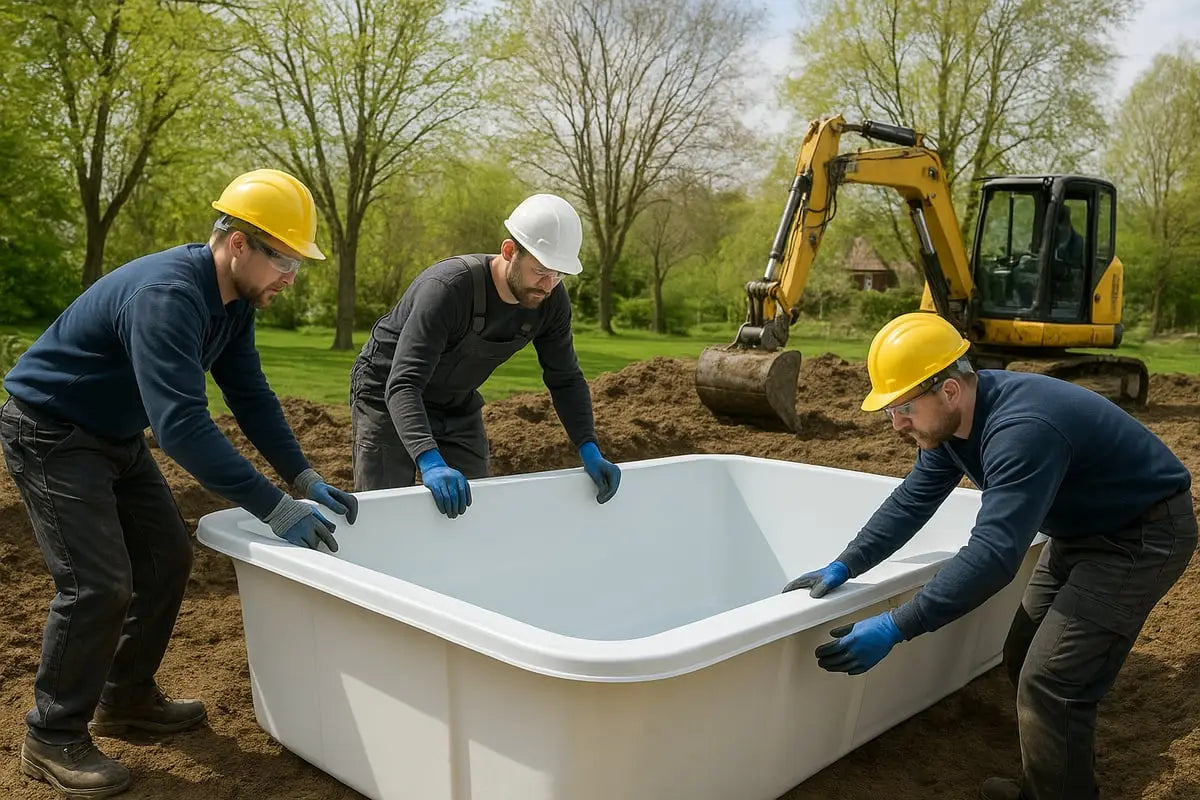
Professional installation vs. do-it-yourself
When installing a pool, you face the choice between hiring professionals or doing it yourself. A professional installation often means a faster build, higher safety, and warranties on both materials and workmanship. Turnkey contracting also provides support throughout the process, from planning to a finished pool.
Building a pool yourself can be tempting for the handy, but it requires extensive knowledge of groundworks, plumbing, and electrics. Missteps can be costly and affect the pool’s lifespan. Feel free to read this Guide to pool installation to understand the entire process and determine what suits you best.
Groundworks and preparation
Groundworks are crucial for the longevity of your pool. First, careful excavation and drainage are required to avoid future damage. The drainage system diverts water away from the pool area and reduces the risk of settlement or moisture damage.
A stable base is equally important. Crushed stone or a concrete slab is often used to create a level and durable surface. Incorrectly executed groundworks are the most common cause of problems with in-ground pools. Therefore, take time to plan and check every step before the pool is installed.
Timeline and season for pool construction
Choosing the right time to install a pool affects both the build time and the final result. Spring is often the best period, as the ground is easier to work with and the project can be completed in time for summer. Build time varies between 2 and 8 weeks, depending on the pool type and contractor.
Several factors can delay a pool project, such as weather, delivery times, or waiting for a building permit. Therefore, create a realistic schedule and be prepared to adjust it in case of unforeseen events. A clear plan reduces stress and makes the construction process smoother.
Cost estimate and unexpected expenses
The costs of building a pool vary depending on type, material, and labour. Typical expenses include groundworks, installation, electrical work, and materials. To avoid financial surprises, it is wise to allocate an extra 10–15 percent for unforeseen costs.
| Cost item | Share of total (%) |
|---|---|
| Groundworks | 25 |
| Installation | 30 |
| Pool materials | 35 |
| Unforeseen expenses | 10 |
Having a detailed budget makes it easier to make confident decisions and ensure the pool turns out exactly as you envisioned.
Safety and insurance
Safety is central to all pool use. Pool covers, fences, and alarms are often legal requirements and reduce the risk of accidents, especially if there are children or pets in the home. Always check what applies in your municipality and make sure to follow current regulations.
Do not forget to update your home insurance when the pool is finished. Some insurance companies have special terms for pools, so contact them to ensure you have the right coverage. A safe pool environment brings joy for many years.
Step 4: Choose Pool Accessories and Equipment
Choosing the right accessories and equipment is crucial to maximise the experience and value of your pool. With thoughtful choices, you can extend the swimming season, increase safety, and simplify maintenance. Here we go through the most important categories to help you create a sustainable and pleasant pool environment.
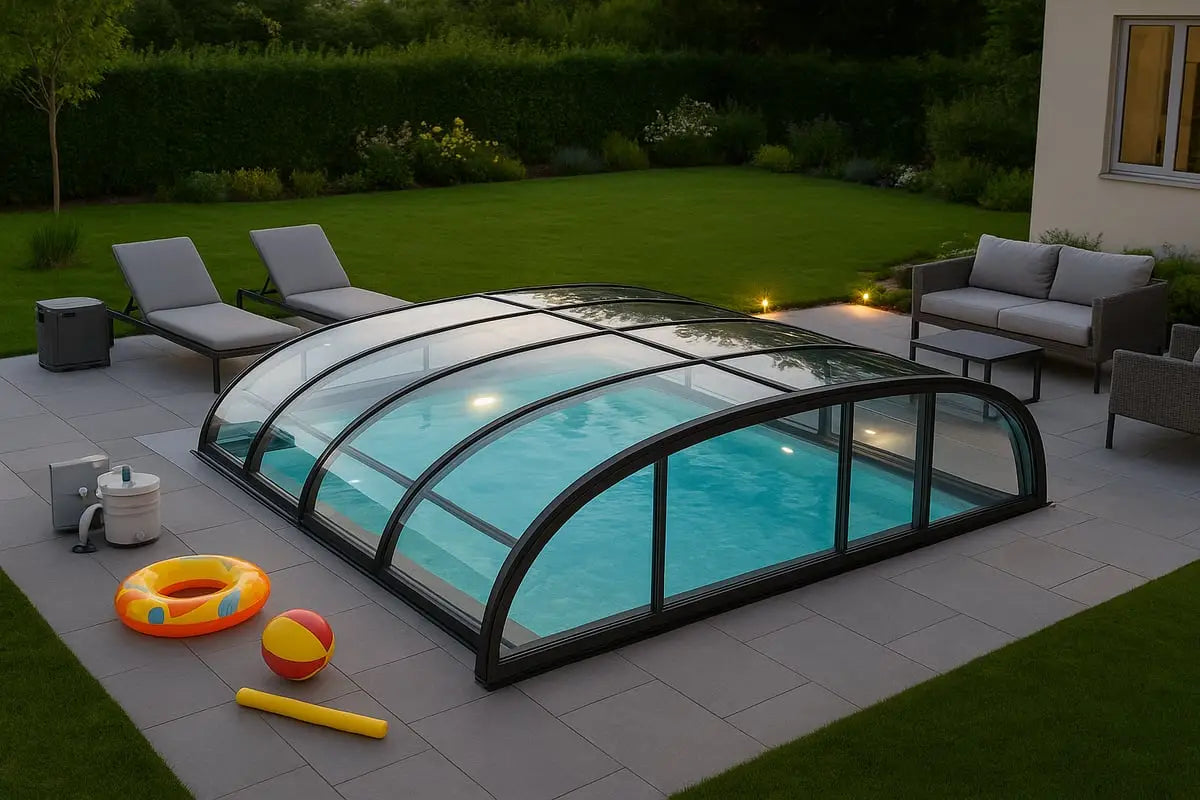
Pool enclosures and pool covers
A pool enclosure or pool cover is one of the most important accessories for any pool. With the right solution, you extend the swimming season and increase both safety and energy efficiency. There are several models to choose from, such as low, high, sliding, and fixed pool enclosures. Statistics show that a pool enclosure can reduce heat loss in the pool by up to 60 percent, which means lower energy costs and less environmental impact.
For those who want to read more about different models and safety aspects, we recommend Pool enclosures and safety solutions where you will find inspiration and guidance for choosing the right cover. A well-chosen pool cover also protects against dirt, leaves, and unwanted visitors, which reduces maintenance and increases safety for children and pets.
Pool heating and energy solutions
Heating the pool in an energy-efficient way is crucial for comfort and operating economy. The most common options are heat pumps, solar collectors, and electric heaters. Heat pumps are energy efficient and suitable for the Swedish climate, while solar collectors harness the sun’s free energy but require the right placement. Electric heaters are easy to install but have higher operating costs.
When choosing a heating solution, consider the size of the pool, seasonal use, and environmental impact. A smart combination of an insulated pool cover and an energy-efficient heat source can keep the pool warm and ready for swimming most of the year while keeping costs down.
Filtration and maintenance
To keep your pool fresh and healthy, you need an effective filtration system. The most common options are sand filters, UV purification, and salt chlorinators. Sand filters are robust and easy to maintain, while UV purification reduces the need for chemicals and provides crystal-clear water. Salt chlorinators are popular because they make the water soft and reduce chlorine odour.
Automatic systems can significantly simplify pool maintenance, but regular checks of water balance and filters are still required. By combining smart technology with the right filtration solution, you ensure that the pool is always clean, safe, and inviting.
Pool lighting and design features
Lighting and design features enhance the entire pool area and create both ambience and safety. LED lighting is energy efficient, durable, and offers the possibility of different colour choices and light effects. Fountains, steps, and sleek pool edges enhance both function and appearance.
The right lighting makes the pool usable even in the evening and increases safety around the pool area. With thoughtful design choices, you can create a unique atmosphere that reflects your personal style and transforms the pool into the garden’s natural gathering point.
Pool toys and wellness
The pool is not only for swimming; it can also become a place for exercise, play, and relaxation. For families with children, various pool toys, floaties, and water slides are popular accessories that enhance the experience. Adults often invest in wellness solutions such as swim trainers, jet streams, and massage functions to create a spa-like feel at home.
By adapting the equipment to your family’s needs, the pool can become a place where everyone thrives and gets the most out of the investment. Whether you prioritise play, exercise, or relaxation, there are accessories to suit your pool.
Step 5: Maintenance, Operation, and Long-Term Economy
Owning a pool is not only about joy and relaxation. It is also about taking responsibility for maintenance, operation, and long-term finances. By taking proper care of your pool, you can maximise swimming enjoyment, reduce costs, and increase your home’s value.
Ongoing maintenance and care
Regular care is the foundation of a healthy pool. This means checking water balance, cleaning filters, and removing debris from the water surface. Simple routines save both time and money in the long run.
Example weekly schedule:
- Test and adjust pH and chlorine levels.
- Clean the pool floor with a vacuum.
- Empty the skimmer basket and check the filter.
Investing in a good pool cover simplifies maintenance and reduces the amount of debris that ends up in the water. It also contributes to increased safety for both children and pets.
Seasonal opening and winterising
When spring arrives, it is time to open the pool for the season. Start by removing the cover, cleaning the pool, and topping up water if needed. Check that pumps and filtration systems are working correctly.
When winterising, it is important to lower the water level, drain the pipes, and add winter chemicals. This reduces the risk of frost damage and algae growth. Careful closing provides a smooth start to the next swimming season.
Energy savings and eco-friendly operation
For an energy-efficient pool, opt for insulated walls and a cover. Use energy-saving pumps and control operation with smart timers. Solar heaters and heat pumps reduce both environmental impact and operating costs.
Statistics show that energy-smart pools can reduce costs by 30–50 percent. By reducing electricity consumption and using eco-friendly chemicals, you contribute to a sustainable future.
Lifespan and value increase
With proper maintenance, your pool can last for decades. Regular cleaning, water quality checks, and servicing the equipment significantly extend its lifespan. A well-maintained pool is also an attractive asset when selling your home.
Studies show that a pool can increase a property’s value by up to ten percent. This makes the investment profitable in the long term, especially if you choose quality materials and follow recommended care instructions.
Common questions and problems
Problems such as green water, leaks, or technical faults can affect any pool owner. It is important to quickly identify the cause and address the issue. Sometimes it is enough to adjust the pH level or clean the filter.
If you face recurring problems or suspect major faults, it is wise to contact a professional service technician. Preventive maintenance reduces the risk of costly repairs and extends the pool’s lifespan.
Pool trends 2026: Inspiration and outlook
Looking ahead to 2026 means exploring new horizons in the pool world. Pools have become a natural part of modern homes, and we now see how technology, design, and sustainability are shaping the pool dream of the future. Whether you are planning a classic pool or seeking the latest in innovation, there are trends that help you create a unique and long-term investment.
Current design and technology trends
In 2026, we see a clear shift toward minimalist and exclusive pools with clean lines. Infinity pools and natural shapes dominate, where the water surface blends with the surroundings. Smart features, such as built-in LED lights and self-regulating systems, are becoming standard for every new pool. Material choices are evolving rapidly, with fiberglass pools receiving attention for their durability and quick installation. If you want to learn more about these advantages, read Advantages of fiberglass pools. Technology also enables remote control of pool functions via apps, providing both comfort and control.
Sustainability and the pools of the future
Eco-friendly solutions are in focus when choosing a pool in 2026. Suppliers invest in recycled materials and energy-efficient filters, minimising environmental impact. Solar heating and smart heat pumps are integrated to reduce energy consumption. Water-saving technology, such as automatic covers and smart purification systems, makes it easier to maintain a sustainable pool without compromising the swimming experience. Choosing the right materials and technology is crucial for both the environment and the economy in the long term.
Smart homes and pool automation
Smart home solutions are revolutionising how we manage our pools. With app control, you can regulate temperature, lighting, and water quality remotely. Automatic dosing systems ensure that chemicals are always in balance, reducing the need for manual care. Pool automation not only provides convenience but also contributes to increased safety and energy efficiency. This technological development makes pool ownership easier than ever and future-proofs your investment.
Inspiration from Swedish homes
Many Swedish homes have already taken the step into the future with creative pool projects. Examples of successful solutions include integrated hot tubs, pools with dark liner colors for a natural feel, and smart pool enclosures that extend the season. Several homeowners have combined the pool with an outdoor kitchen or lounge zone for a complete outdoor oasis. Be inspired by these projects and consider how your own pool can become the heart of the home.
Tips for a future-proof investment
To ensure your pool is just as attractive in ten years, opt for flexible and upgradeable solutions. Choose materials and technology that can be adapted to new needs. Here are a few tips for long-term enjoyment:
- Invest in energy-efficient systems and insulated pool models.
- Choose suppliers with documented quality and warranties.
- Plan for smart accessories that can be integrated in the future.
Thinking long-term when choosing a pool provides security and increases the value of your home.
